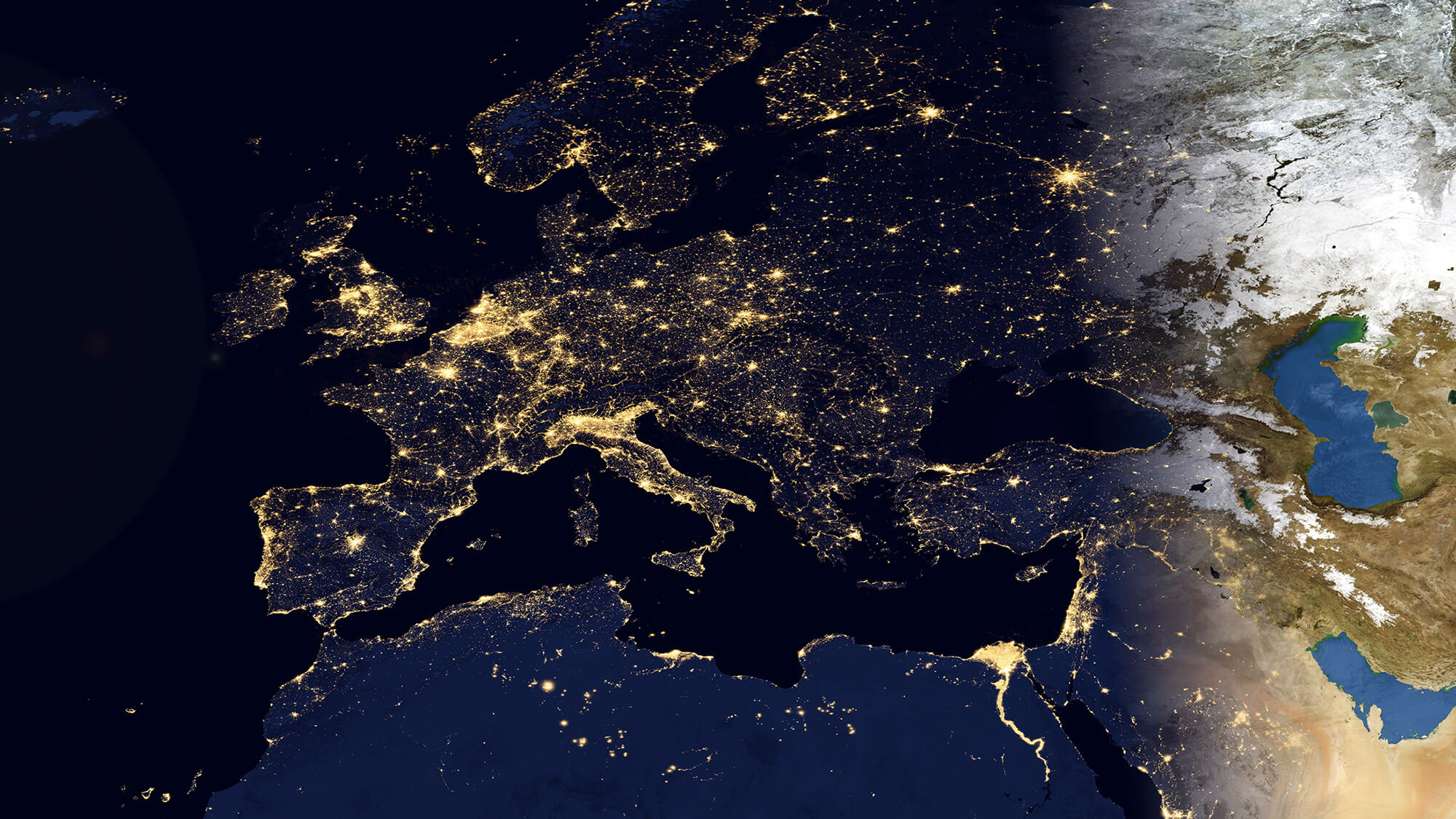
Modern life has a woven-in thread of vulnerability that is peculiar to our times: electricity. It is the cardiovascular and nervous system of life across the world, more so in the Internet Age than even 30 years ago.
If the nation were to lose electricity, it would cause an instant and lethal paralysis that would go beyond inconvenience of the kind parts of New England have just experienced — and that left me charging my cell phone in my car.
Nonetheless, limited and scattered blackouts of the kind I have been caught in are a reminder of what alarmists (alarmists are unsettling, but not always wrong) have been warning. If there is no electricity, there is no light, no water, no sewage treatment, no gas and diesel, no heating and cooling — even gas and oil systems rely on electric pumps and fans. If such a blackout were sustained, slow death through starvation, or fast death through disease and armed gangs ravaging the cities and towns for food, would be the result.
A curtain-raiser is Puerto Rico. Just look to its agony: The mitigation is that there is help from the rest of the United States — imperfect and maybe inadequate, but still help.
In a national blackout, Canada and Mexico might be as affected, and the catastrophe would be complete.
Such a blackout — very unlikely but not inconceivable — is posited to come from a hostile power using a nuclear weapon targeting the special vulnerability that comes with electricity and computerization. The hostile power would not target cities, as in the past, but instead would detonate a nuclear bomb high in the atmosphere, creating an electromagnetic pulse (EMP), which would do the damage. It would cause destructive electric surges, fry electronics and render most things that support daily life in 2017 inoperable.
The phenomenon has been known since the earliest days of nuclear weapons development, during the World War II Manhattan Project. Atmospheric tests by both the United States and the Soviet Union in 1962 gave the world hard evidence. The new urgency comes because some believe North Korea would try such an assault as soon as it perfects its long-range intercontinental missile.
One of the people who takes the EMP threat seriously is nuclear proponent and public policy advocate Richard McPherson of Idaho. He has written to President Trump proposing that Puerto Rico become a test bed for an EMP-hardened electrical grid.
Engineers believe they know how to do this, but the cost would be prohibitive, according to experts I have interviewed at the Electric Power Research Institute and the Edison Electric Institute, respectively the research arm of the electric industry and its trade association.
Robin Manning, EPRI vice president of transmission and distribution infrastructure, says they are studying the EMPs and a progress report is expected in a few weeks.
To believe the North Korean theory, you have to accept that North Korea is run entirely by cartoonish characters like its president, Kim Jong-un, and that they wish to be destroyed in global retaliation, from Europe and even China.
A quieter and very knowledgeable voice comes from Siegfried Hecker, a former director of the Los Alamos National Laboratory. He has visited North Korea’s nuclear sites seven times and has seen some of their most secret installations, including their centrifuges. He has even been allowed to handle a container of plutonium, the raw material of thermonuclear devices.
In a speech at Brown University on Oct. 31, Hecker said that North Korean technology and science is very impressive, and the scientists and engineers running the nuclear program are not mad fanatics but very dedicated to their task. He does not see the small country as an existential threat to the United States, but it is a problem: a problem that must be tackled civilly, through conversation.
“We know nothing about this country and who controls their nuclear arsenal. We need to talk to them, and their denuclearization will come later,” Hecker said.
Meanwhile the long-term security of the electric system remains a national necessity, whether the threat is monster storms, cyberattack or EMPs.
Scott Aaronson, EEI executive director of security and business continuity, says a “holistic” approach for security, embracing all hypothetical disasters, not obsessing on one, is necessary.
The situation in Puerto Rico is not hypothetical. It is an American tragedy of enormous proportions here and now. It is also a frightening window into what can go wrong in this, the Electric Century.
 Follow
Leave a Reply