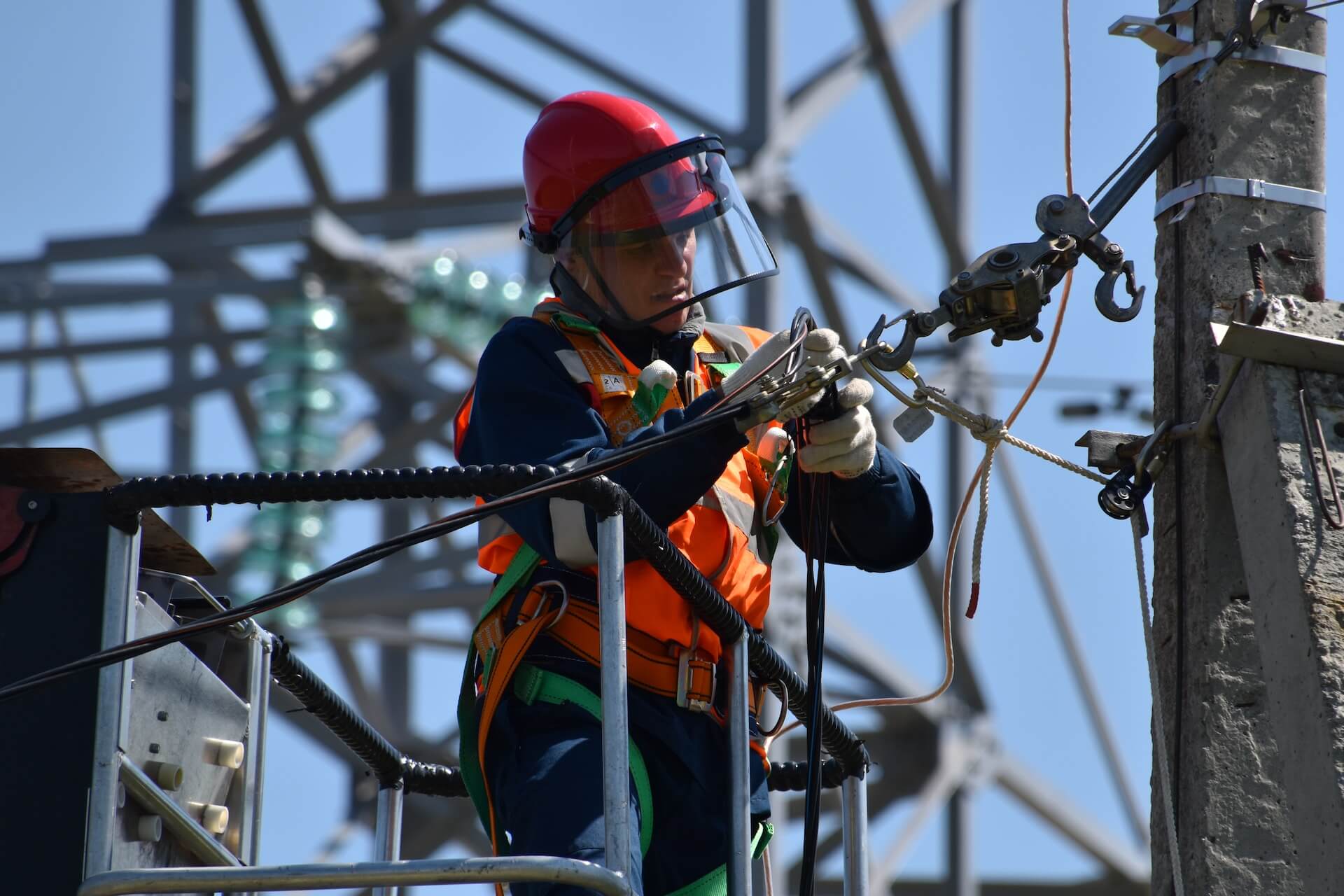
There is a terrible shortage of people who fix things. I am thinking of electricians, plumbers, glaziers, auto mechanics and many more skilled workers who keep life livable and society running.
It is frustrating if you can’t get a plumber when you need one. But the skilled worker shortage has much more significant consequences than the inconvenience to the homeowner. The very rate of national progress on many fronts is being affected.
More housing is desperately needed, but architects tell me some new construction isn’t happening because of the skilled worker shortage. Projects are being shelved.
The problem in electric utilities is critical — and interesting because the utilities offer excellent pay, retirement and healthcare, and still, they are falling short of recruits. They are aware that many of their workers will be retiring in the next several years, adding to the problem. One utility, DTE in Michigan, has been training former prisoners in vegetation control — the endless business of trimming trees around power lines.
Auto dealerships are scrounging for mechanics, now euphemistically called “technicians.”
Skilled workers are in short supply for the railroad and bridge industries. Many industries are prepared to offer training.
The need is great, and it has a quietly crippling effect on national prosperity.
President Biden has almost ceaselessly promoted solar and wind generation as job creators. Someone should tell him there is a severe shortage of those same electricians, pipe fitters, wind farm erectors and solar panel installers.
The skilled worker shortage has been worsening for some time, but it is now palpable.
Contributory factors have been building: The end of the draft meant an end to a lot of trade schooling in the military. Many a youth learned electronics, motor repair or how to paint something from Uncle Sam. That is the generation that is now retiring.
Then there is the education imbalance: We encourage too many below-average academic students to go to college. It is part of the credentialing craze. Those less suited to academic life seek easier and easier courses in lesser and lesser colleges just to come out with a bachelor’s degree — a certificate that passes for a credential.
The result is a glut on the market of workers with useless degrees in such things as marketing, communications, sociology, and even journalism. If you arrive in college in need of remedial English, your future as a journalist is likely to be wobbly.
Since childhood, I have been impressed with people who fix things: People like my father. He fixed everything from diesel engines to water well pumps, burst pipes and sagging roofs.
Men, and some women, of his generation worked with their hands, but they were, in their way, Renaissance people. They knew how to fix things from a cattle feeder to a sewing machine, from a loose brick in a wall to a child’s bicycle to a boiler.
The work of fixing, of keeping things running, isn’t stupid work; it involves a lot of deduction, knowledge and acquired skill.
Men and women who fixed things were at one with men and women who made things, often bound together in a common identity inside a union.
Think of the great names of the unions of the past and the sense of pride members once took in their belonging: the International Ladies’ Garment Workers’ Union, the Teamsters or the United Autoworkers. You had work and social dignity. You weren’t looked down upon because you hadn’t been to college.
We aren’t going to bring back quickly honor to manual work or reverence for the great body of people who keep everything running. So we might look to the hundreds of thousands of skilled artisans who would do the work if they could enter the United States legally. Yes, the migrants milling at the southern border. Many skilled welders, plumbers and masons are yearning to cross the border and start fixing the dilapidated parts of this country.
The owner of a clothing factory told me she was desperate to find women who could sew. She said it is a skill that has just disappeared from the American workforce. A landscape contractor in Washington told me he would close without his Mexican workers.
A modest proposal: Let us write an immigration law based on who is really needed. Add to this a work permit dependent on fulfilling certain conditions. You would soon find company recruiters mingling with the border agents along the Rio Grande.
And we would lose our fear of a burst pipe. Help is just a frontier away.
 Follow
I’m a plumber I’m staying in south africa I need a job over seas