On the face of it, the nuclear power industry should be enjoying a boom, reveling in its extraordinary safety record and the fact that it is a carbon-free way to make electricity.
But all is not well in atom land. In fact, things are dismal. Only five nuclear plants are under construction, and they are having birth pains as schedules slip and costs rise.
One plant, Vermont Yankee, has been taken out of service and others are on a watch list. This is happening not because of safety or end-of-life, but because cheap natural gas is undermining the economics of nuclear.
The market has spoken and it has determined that gas is cheaper in the short term, and wind and solar, though limited, enjoy social acceptability and declining costs.
The mighty Exelon Corporation is trying to save three, and maybe more, of its nuclear plants with a political fix; arguing that nuclear is a value proposition – its value to the community will continue long after the gas boom has fizzled. It is an argument that might have been made to save commuter railroads in the heyday of the automobile.
But that is not all that challenges nuclear. Despite its environmental advantages in a time of climate change, the public has been steadily turning against nuclear, persuaded by a relentless campaign that has been waged by opponents like the Union of Concerned Scientists and Natural Resources Defense Council and by Japan’s Fukushima accident following an earthquake and a tsunami. Wrongly, it is believed this resulted in lives lost: Many lives were lost to flooding, but not to radioactivity release.
But the public has absorbed a fear of nuclear, unless it is associated with the Navy. That was reflected this month, when a Gallup poll revealed that only 51 percent now support nuclear, as opposed to a traditional divide of 60 percent for and 40 percent against. It is hopeless to expect a big swing to nuclear with this kind of public reaction. The current slim majority favoring nuclear falls far short of a call for action.
More, the nuclear industry has fair share of bad news of its own which does not help the public love the atom.
The San Onofre plant in California was closed down because new steam generators were defective, and the owners decided it was not worth the hundreds of millions it would cost to fix things. Cost overruns and delays, once blamed on environmental opposition, now are almost always a result of problems in the construction.
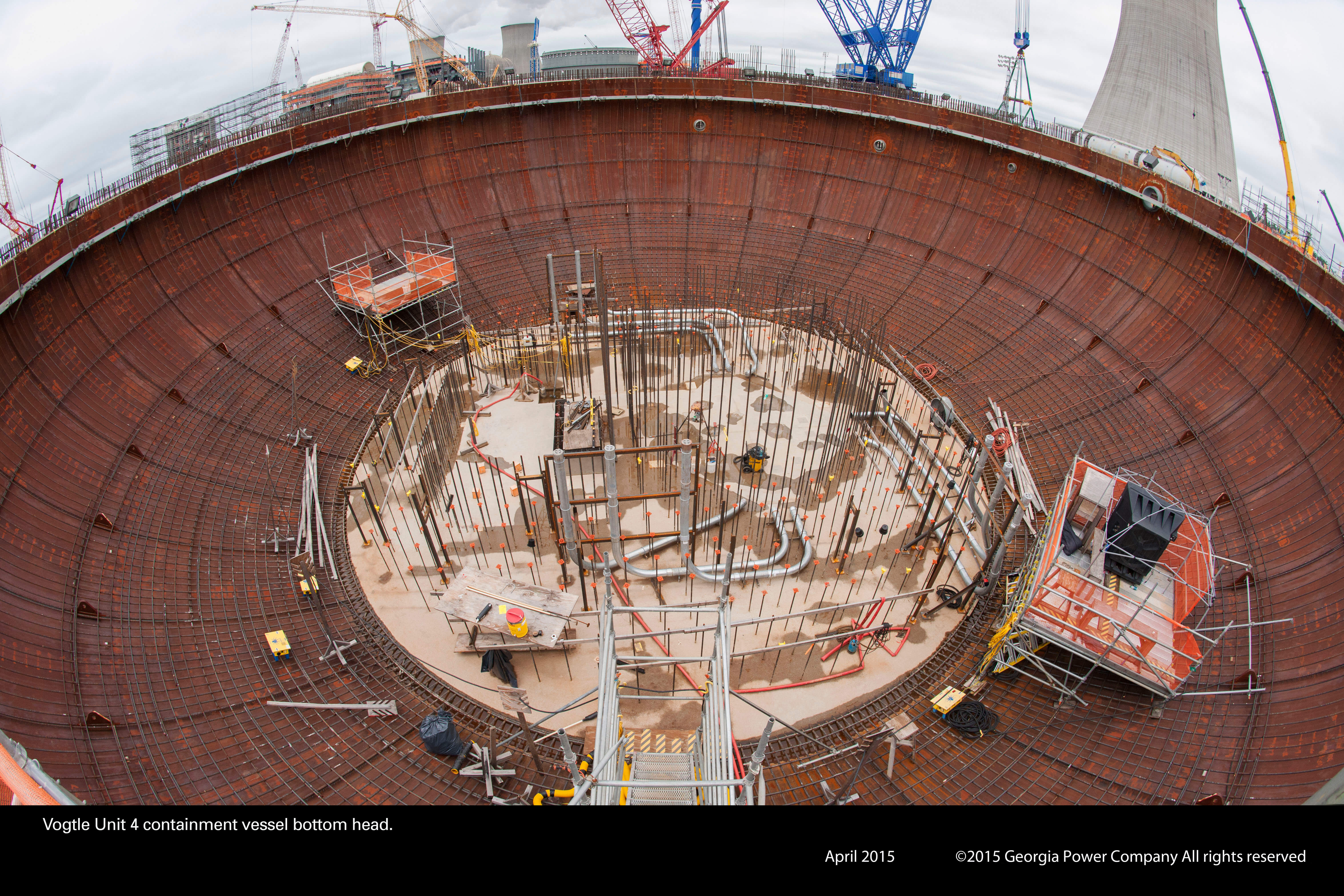
Much hope has rested on two new reactors being built by the Southern Company in Georgia. Known as Plant Vogtle Units 3 and 4, there are delays and cost overruns and the utility is in court with the prime contractor, the eponymous Westinghouse Electric Company. Although the Southern Company is determined to complete the reactors and under its feisty chairman, Tom Fanning, possibly to build more, the costs are rising.
Just a few months ago, there was hope that new reactors — smaller, mass-produced power plants — were in the pipeline. But now the industry is convinced the next reactor design will have to be developed outside of the United States; probably in Asia, where both China and India are working on radical new reactors, far from today’s light water plants — 100 of them — operating in the United States.
The U.S. challenge is not science or engineering – we have designs aplenty and great nuclear science – but regulation. The Nuclear Regulatory Commission (NRC) – which protects public health and safety — is not equipped to license a new reactor, and it is believed that a new reactor type would have to spawn a whole new regulatory bureaucracy. One aspirant with a new nuclear design says ruefully, “It’s as though the FAA had recertified every aspect of flying when the jet engine came along.”
The NRC, even its staff admits, is slow and ponderous. What they don’t admit is that the commission is not only protecting the public, by making sure that today’s reactors are safe, but it’s also preventing the public from having better nuclear power in the future.
For the industry the problem is not only the time it would take to bring a new reactor through licensing, but also the cost. The applicant, not the government, pays for the NRC to license a reactor. Some say that cost could run towards a billion dollars.
Considering this situation, U.S. leadership in reactor technology is doomed. — For the Hearst-New York Times Syndicate