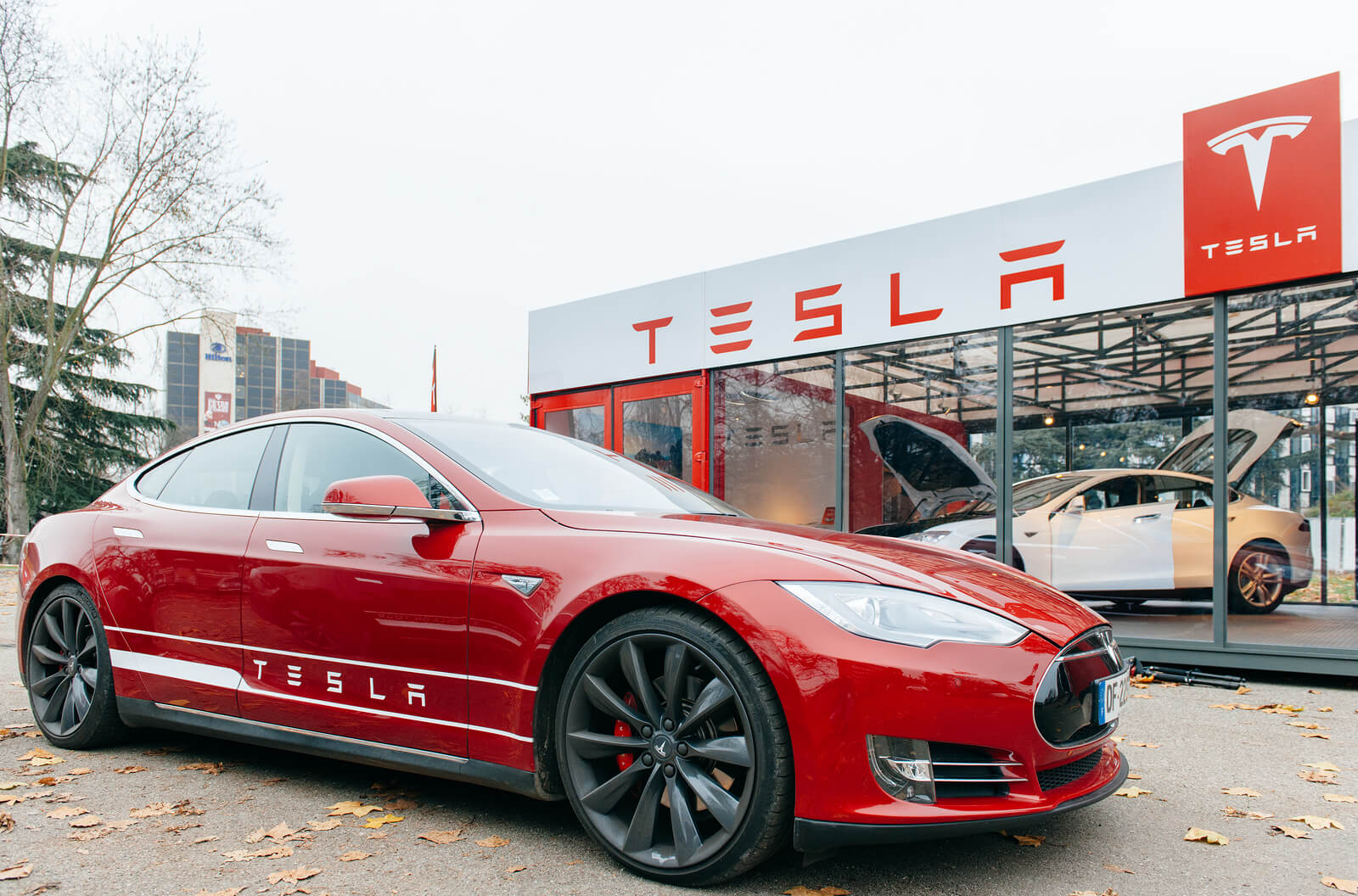
U.S. transportation is about to get a mighty electric shock.
The days of the internal combustion engine are numbered. The electric car is about to do to the traditional gasoline and diesel car engine what the cell phone is doing to the copper-wire, landline telephone: shoulder it out of the way.
Andrew Paterson, a principal with the Verdigris Capital Group, told a conference in Washington on June 7, electric car sales will at least quadruple in the coming decade and then really begin to accelerate. This, he said, was part of a larger electric boom that would see the doubling of world electric demand, mostly in Asia, by the middle of the century.
Electric utilities in the United States stand to benefit from the switch from gasoline and diesel to electricity largely because they will be able to meet the new demand without adding new generation, according to the Electric Power Research Institute in Palo Alto, Calif. It believes most of the charging of electric vehicles will take place off-peak, at night and when there is less demand. At worst the new load will fall partly during the day, when there is a surplus of solar power.
Analysts say much depends on whether commercial and company parking facilities can be turned into charging stations as well. Maybe when the boom really picks up, even parking meters will become charging stations.
The change in transportation will have huge effects beyond the car infrastructure. Gradually, gas stations will become obsolete. Technicians who service cars with oil changes and tuning will be out of work.
Electric cars are fundamentally simpler than today’s vehicles — they will run for tens of thousands of miles without maintenance, and that will be confined to things like tires, brakes and lights. Cities will get cleaner and quieter.
Once upon a time, it was just environmentalists who loved electric cars. Now consumers are gooey over them. The proud owner of a Tesla Model S told me this week that he would never buy a conventional car again. He said his Tesla has it all — quiet, undreamed of acceleration and great luxury. And he has what it takes to go electric easily: a suburban home with a carport and a charging station in his office building in Washington.
Apartment dwellers and those without driveways or garages in townhouses will have to wait for technology to fix their charging needs. Manufacturers are striving for easier charging and longer-endurance batteries.
There are, by my count, less than a dozen dedicated charging companies that have sought to commercialize charging by wiring commercial garages and other places where cars sit. None has been very successful to date and there have been bankruptcies.
As always with new ways of doing things, there is hesitance and a hope that someone else will lead the way. I believe that the moment entrepreneurs find a way of making money from cars in commercial parking lots and other away-from-home sites, there will be a boom in offering charging and the switch to electric will be accelerated. Charging will become big business.
But questions do abound for long-distance driving. Soon 300 miles will be the electric vehicle standard, but it will not get you from Chicago to Los Angeles, or even Washington to Boston.
The speed of technological evolution is the unknown, but it will control the accelerator in the race to electricity. Better batteries, faster charging and more public confidence in the duration of each charge will all control the rate of change.
When it comes to heavy vehicles that travel great distances, like intercity buses and trucks, the conversion to electricity, though yearned for, may be a lot slower. Until smart highways offer charging through induction, using electromagnetic fields, diesel will still rule.
The earliest cars were electric and were thought then to be the future — clean and quiet. But lead-acid batteries could not hack it. Stubbornly Harrods, the famous department store, used electric delivery vehicles around London until the 1960s; maybe because these sedate, quiet, liveried road queens exuded classiness.
Like all revolutions, there will be winners: those who find out how to make money out of battery charging and those who make electricity. And losers: oil companies, gas stations, service departments of dealerships and the long-dreamed-of hydrogen car.
Incontrovertibly, the air in cities will be a winner — a big, big winner.
 Follow
Longer-range, and affordable electric cars will keep customers happy.
No-one knows if electric cars will ever play a dominant role in the future, but they’ve certainly had an interesting past and predictions.